Tara iti
Why the sandspit
is fenced
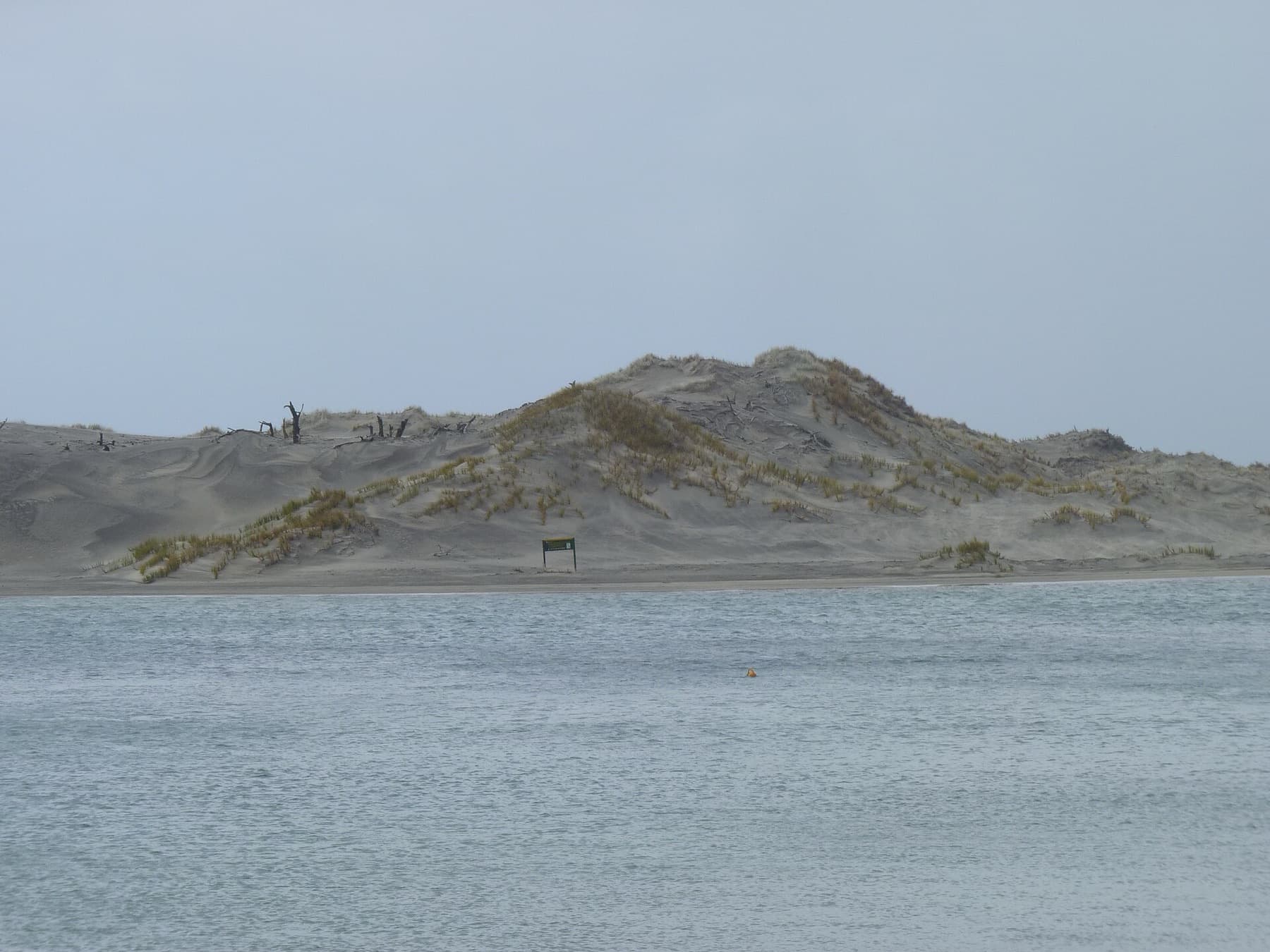
Tara iti, the New Zealand fairy tern, is the rarest bird that breeds in Aotearoa. Fewer than 50 are left, and the Mangawhai sandspit is one of the few places they nest. The fences, signs and rope lines on the spit are there to keep their eggs and chicks alive.
Every fact links to where it came from. Checked 5 October 2026.
The short answer
The Mangawhai sandspit is fenced because tara iti (New Zealand fairy tern) nest there in shallow scrapes in the open sand. The eggs and chicks are hard to see and easy to trample, and the whole species numbered nearly 50 birds over a year old in March 2026 (DOC). From about September to February, stay outside fenced areas, keep dogs on a lead and out of reserves, don't drive on the beach, and take bait and fish scraps home.
In numbers
Birds over a year old in the wild
Nearly 50 (about a 15% rise on the year before)
March 2026 census, published 14 April 2026Breeding pairs
11
2025-26 season, published 14 April 2026Pairs expected next season
15 or more (DOC estimate)
14 April 2026Eggs laid / chicks fledged
29 eggs, 11 chicks fledged
2025-26 season, reported 19 March 2026Chicks raised at Auckland Zoo
10 hatched, reared and released
2025-26 season, published 14 April 2026Adults left
Fewer than 40, with only 10 known breeding females
July 2025Birds counted after the 2024-25 season
50 (28 adults, 9 sub-adults, 13 fledglings)
18 June 2025Fledglings, 2024-25 season
19 (up from 9 the year before and 3 the year before that)
18 June 2025Lowest point
3 to 4 breeding pairs
1983Conservation status
Threatened - Nationally Critical
Checked 5 October 2026Weight
About 70 g, roughly the size of a blackbird
14 April 2026Regular breeding sites
4: Waipū, Mangawhai, Pākiri and Papakānui (South Kaipara Head)
Checked 5 October 2026
What is tara iti?
Tara iti is the Māori name for the New Zealand fairy tern. It is the smallest tern that breeds in New Zealand, weighing about 70 g, roughly the size of a blackbird. It has a yellow bill and orange legs, which set it apart from the more common white-fronted tern. Each bird wears its own combination of coloured leg bands, so rangers can tell them apart.
DOC lists tara iti as Threatened - Nationally Critical, its highest threat category, and calls it the rarest breeding bird in Aotearoa. The NZ Nature Fund notes that tara iti breed nowhere else on Earth.
How many are left?
Very few, but the numbers are rising.
- 1983: the population fell to an all-time low of 3 to 4 breeding pairs at Mangawhai and Papakānui Spit. Protection began, with site rangers and fenced nests.
- July 2025: DOC counted fewer than 40 adults and only 10 known breeding females.
- June 2025: after the 2024-25 season, monitoring recorded 50 individual birds: 28 adults, 9 sub-adults and 13 fledglings. That season produced 19 fledglings.
- March 2026: DOC's census found about a 15 per cent increase, with nearly 50 birds over a year old in the wild and 11 breeding pairs.
DOC programme lead Ayla Wiles said: "What we're seeing is a net increase off the back of two good seasons." DOC expects the potential for 15 or more pairs in the next breeding season.
Figures differ a little between sources because they count different things (adults only, all birds, or birds over a year old) at different times. Each figure here carries its date.
Where tara iti breed
Tara iti now live only in the lower half of the Northland peninsula. DOC says breeding is limited to four regular sites: Waipū, Mangawhai, Pākiri and Papakānui on the South Kaipara Head. The Te Ārai and Poutawa rivermouths are used now and then.
Mangawhai matters a great deal. In the 2024-25 season, DOC said almost all tara iti nesting happened at Mangawhai Heads. In December 2024 the NZ Fairy Tern Charitable Trust reported that Mangawhai had 10 chicks from 6 nests, and by January 2025 Mangawhai fledglings were exploring the estuary with their parents.
The birds nest in a small scrape in open sand. Nests are often kilometres apart, not in colonies.
When they breed
The breeding season runs from about September to February, and DOC staff and volunteers watch nests around the clock during that time. The Trust says the season usually starts in early October. Eggs take about 23 days to hatch, and chicks can fly about three weeks later.
That makes summer, the busiest time on Mangawhai's beaches, the most delicate time for tara iti.
What threatens them
DOC lists the main threats on its tara iti page:
- Predators. Rats, cats, hedgehogs and mustelids eat eggs and chicks. In the 2025-26 season Mangawhai had a rat problem, and harrier hawks (kāhu) also took chicks.
- Weather. High tides, floods and storms wash nests away.
- Lost habitat. Housing, pine plantations and farming have degraded the dunes.
- People and dogs. Drones, dog walking, vehicles and horses on the beach, and bonfires scare birds off their nests.
In its April 2026 update, DOC said that during the season members of the public and dogs entered protected areas.
Why the sandspit is fenced
Tara iti eggs are sand-coloured with small dark spots, so they blend in with the beach. DOC ropes off nest sites and puts up signs so people know where not to walk. Nests are also sandbagged against storms and high tides, and predators are trapped around them.
The fences protect chicks as much as eggs. After people camped inside the fenced area at Mangawhai Heads in late December 2024, Joel Lauterbach, DOC Whangārei Operations Manager, explained the risk: "Chicks this young cannot fly, and if they freeze in response to human activity, they risk being trampled." A chick was killed this way in December 2008, when two people entered a breeding area.
His message to visitors was simple: "The fences and signs are there for a reason. We ask for everyone's help in respecting these boundaries."
What to do when you visit
DOC asks beach users to follow these steps:
- Stay out of fenced areas and use the marked walkways.
- Keep away from nests and chicks on beaches and estuaries.
- Keep dogs on a lead and out of reserves.
- Take bait, fish scraps and rubbish away, so you don't attract predators.
- Don't drive or cycle on the beach.
- If a bird swoops at you or seems hurt, move away quickly. You are probably near a nest.
If you fish, DOC also suggests burying fish remains, because they draw gulls to the area.
Dogs carry legal risk too. Kaipara District Council says owners can be prosecuted and fined up to $3,000 if their dog attacks protected wildlife.
How to help
Volunteer. The NZ Fairy Tern Charitable Trust works with DOC and Forest & Bird to improve breeding success. Each summer its volunteers help watch the birds at sites including Mangawhai and Waipū. See the volunteer page for how to get involved. DOC says volunteers record what the birds and chicks are doing and note threats nearby.
Donate to the Trust. The Trust is a registered charity, and it says donations are tax deductible. Details are on its donate page.
Donate to DOC's recovery programme. DOC takes donations through the NZ Nature Fund. The money goes towards new safe breeding sites, shell patch habitat, wider predator control and hand-rearing.
Spot one. Look for a tiny tern with a yellow bill, orange legs and coloured leg bands. Watch from outside the fence.
Other shorebirds on the coast
Tara iti are not the only birds that rely on this coast. The Shorebirds Trust says there are over 65 threatened and at-risk species in the Mangawhai-Pākiri area. One of the birds you are likely to see on northern beaches is the northern New Zealand dotterel (tūturiwhatu). DOC lists it as recovering, with more than 2,500 birds, and says it breeds on beaches along the North Island coastline. The same habits help it too: keep to the walkways and keep dogs on a lead.
Do
- Walk outside the fences and use the marked walkways
- Keep your dog on a lead, and out of reserves
- Take bait, fish scraps and rubbish home, or bury fish remains
- Move away quickly if a bird swoops at you or seems hurt
- Watch tara iti from outside the fence
- Volunteer or donate to help the recovery
Don’t
- cross a fence or rope line, even for a moment
- drive or cycle on the beach
- fly a drone near nesting areas
- light bonfires on the spit
- let your dog run free where wildlife is present
Questions people ask
Why is the Mangawhai sandspit fenced off?
How many tara iti are left?
When do tara iti breed?
Where do tara iti breed?
Can I take my dog to Mangawhai beach?
How can I help tara iti?
What does a tara iti look like?
Sources
- 01DOC: Tara iti / New Zealand fairy tern
- 02DOC media release, 4 Feb 2025: Tara iti breeding season progressing well
- 03DOC media release, 14 Feb 2025: incident near tara iti nesting site
- 04DOC media release, 18 Jun 2025: Positive year for tara iti
- 05DOC media release, 14 Apr 2026: Census shows jump in the population
- 06RNZ, 19 Mar 2026: Tough breeding season for tara iti
- 07NZ Fairy Tern Charitable Trust: home
- 08NZ Fairy Tern Charitable Trust: about the bird
- 09NZ Fairy Tern Charitable Trust: volunteer
- 10NZ Fairy Tern Charitable Trust: donate
- 11NZ Fairy Tern Charitable Trust: Tara Iti Tales, December 2024 (2)
- 12NZ Fairy Tern Charitable Trust: Tara Iti Tales, January 2025
- 13NZ Nature Fund: Tara iti project
- 14Kaipara District Council: dog ownership FAQs
- 15DOC: New Zealand dotterel / tūturiwhatu
- 16The Shorebirds Trust
Rules and numbers change. If something here is out of date, the linked source is the one to trust, and we’d like to hear about it.